许多信徒对「政治」敬而远之,因为政治似乎牵涉许多关于世上权力、个人利益、妥协和腐化的事情——一切都与基督教相违。讽刺的是,正是在这样的情况下才最需要上帝的正义和公义——不是要宣判惩罚的信息,而是要在黑暗里成为光。怎样才能化解这种矛盾?信徒如何可以在黑暗中成为光,但不被黑暗所吞没?这样的情况好像有点熟悉,因为基督道成肉身正正就是为了解决这个难题。
让我们首先从旧约一句很有力的经文说起:「你当为哑巴开口,为一切孤独的伸冤。」(箴卅一8)《新普及译本》的语气更强:「你要为不能自辩的人发声,要为受压迫的人伸张正义。」这句和其他经文清楚指明,我们对神恩典的回应,不单要有怜悯的行动,还需要有上帝「给孤儿和受欺压的人伸冤,使强横的人不再威吓他们」(诗十18)的心肠。这呼召很清晰,要为不公义的受害者伸冤。神学家潘霍华更精警地说:「我们不应该只为不公义巨轮下的受害者包扎伤口,我们更应该阻止这种不公义的巨轮继续滚下去。」
现实是,这「不公义的巨轮」不单成为了恶人、贪污的生意和犯罪集团的车轮,什至还已植根在我们政府的经济和政治体系当中。这样,黑暗与光明之间、善与恶之间的分野变得模糊不清,政府政策和政党的宣言之间成为了灰色地带,难为正邪定分界。难怪我们会对波普(Alexander Pope)在一七一一年所写的警告引以为鑑:「智者不为的事,愚人却抢着做。」(fools rush in where angels fear to tread)。我们当然需要小心,但这个世界仍迫切地需要智慧、理性和公义之声。
这跟旧约时候横跨八个世纪的以色列和犹大国先知所遇到的情况一样。当时以色列人也面对着一个公然地违反上帝的约、没有以公义和正义来统治人民的政府(神借着这政权向其他异教邦国展示他的公义)。旧约时期的以色列政府并没有政教分离的观念,是属于神权统治的。神呼召先知起来,要持续地提醒统治者,不论他们花多少精神时间来献祭、禁食、祷告、敬拜和自洁,都不能抵销他们忽略贫穷、攀附权贵、扭曲公义和政权腐败的罪过。神说:「我所拣选的禁食不是要松开凶恶的绳,解下轭上的索,使被欺压的得自由,折断一切的轭吗?」(赛五十八6)许多先知都因着向权贵说出真理、成为先知式公义的代理者、为贫穷弱势发声,而身心受苦。他们被视为叛徒、被控叛国,下在监里。以色列因着道德和灵性的败坏,国力也渐见衰弱,这是无可避免的悲剧结局。要不是因着上帝的信实和悲爱,他们早就在历史中被涂抹掉了。
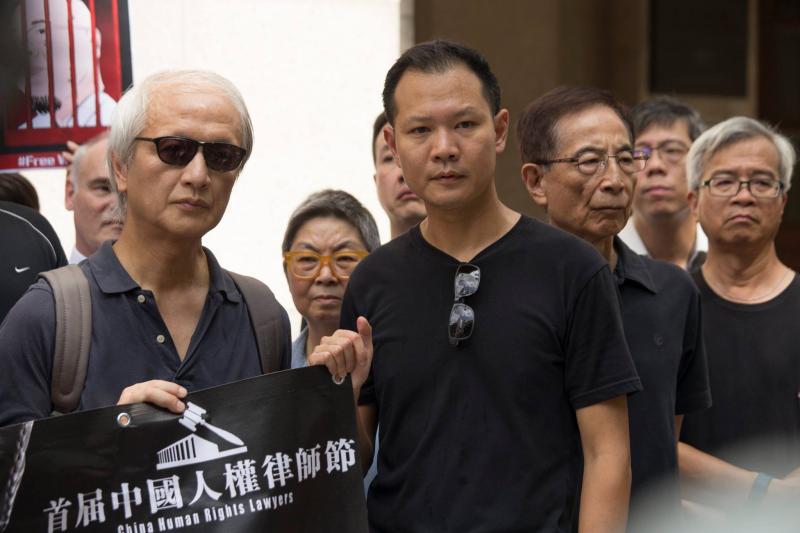
立法会议员郭荣铿当了十年的律师后,开始对商业法律的日常工作感到沉闷,又认为工作未能对普遍大众的生活有贡献。他开始在公共屋邨为巿民提供免费法律谘询,并很享受可以用自己的专业知识服务普通巿民。于是他决定受训成为大律师,并于二○○六年获得此专业资格。同时,他开始对政治产生兴趣,在二○一二年透过功能组别选举成为法律界立法会议员。郭荣铿于二○○六年信主,渐渐体会到基督对贫穷弱势的关爱,并开始关注香港体制上的不公义,以其立法会议员的身份为弱势发声。他特别留意到政府政策将难民和寻求庇护者推到社会边缘,使他们无法工作养活自己,同时,即使他们成功申请庇护,还是无法享有香港巿民的一般权利。作为法律的专业人士,他还很热心于堵塞有关人口贩卖的法律漏洞,阻止有些人落入类近奴隶的陷阱。他如今致力提高公众意识,让人知道人口贩卖有多可怕,要求各界正视这个问题,并要求将人口贩卖定义为刑事罪行,而不只是民事罪行。他也关注特殊教育需要儿童的权利,留意着一些未能找到适切帮助的学童案例。
虽然你不需要成为立法会议员才能为弱势发声,但若有熟悉规则和程序的人帮忙就能事半功倍。然而,这方面的工作不但不能带来名利,有时还会令人什为气馁。郭荣铿曾经收过公众(什至来自朋友)的谴责和批评——因为他为弱势发声。这样的公义工作确实会将你放到敌人的阵地。当上帝决意要去除那潜入人性核心、破坏了他平安(Shalom)计划的黑暗,代价是高昂的。耶稣来到世间,带来了公义,也承受了不公义。作为耶稣的跟随者,正如郭荣铿所经历的一样,在追求公义的路上是要付出代价的。
(聂东尼牧师负责在湾仔葡萄藤教会促进公义事工,是今年十月二十至廿一日亚洲公义特会的主持。特会详情请浏览www.thejusticeconferenceasia.com。本文资料和意念搜集自以下文章,谨此致谢:Just Politics[Ron Sider]、God in Public[Tom Wright],以及跟立法会法律界功能组别议员郭荣铿的个人访谈。)(系列完)
Politics and prophetic justice
by Tony Read
Many christians want to stay as far away from ‘politics’ as possible because it is most often driven by worldly power, self interest, compromise and corruption - the very opposite of what christianity stands for. And yet ironically it is in this very situation that the righteousness and justice of God is most needed - not to preach judgment and condemnation but to be a light shining in the darkness. So how do we resolve this paradox? How can christians be an influence for good without getting overwhelmed by the very thing it is trying to influence? If this issue sounds familiar to us then we should recall that this is the very same issue that the incarnation of Christ came to resolve.
But we don't start here. We start with a short but compelling verse in the Old Testament “Speak up for those who cannot speak for themselves, for the rights of all who are destitute” (Prov 31:8). The NLT puts it even stronger “Speak up for those who cannot speak for themselves; ensure justice for those being crushed”. This and other passages makes it clear that our response to God’s grace is not limited to acts of mercy and compassion but must also encompass a reflection of God’s heart in “defending the fatherless and oppressed, in order that man, who is of the earth, may terrify no more” (Psalm 10:18). There is a clear call to action on behalf of those who are victims of injustice. The theologian Bonhoeffer expresses these thoughts concisely by saying “We are not to simply bandage the wounds of victims beneath the wheels of injustice, we are to drive a spoke into the wheel itself”
The reality of life today is that many of these ‘wheels of injustice’ are not just providing momentum for the vehicles of evil men, corrupt businesses and criminal gangs but are also embedded in the economics and political structures of our governments. In these circumstances the contrast be-tween darkness and light, good and evil, becomes much more dimmed into the greys and complex nuances of government policies and political party manifesto’s. It is not surprising then that we might take to heart the warning of the writer Alexander Pope who in 1711 said that ‘fools rush in where angels fear to tread’. There is certainly need for caution but there is also a desperate need for voices of wisdom, reason and justice.
This was exactly the situation that the 8th century prophets of Israel and Judah faced when con-fronted with a government (intended by God to demonstrate his righteousness to the surrounding heathen nations) that was blatantly ignoring God’s covenant requirement to rule its own people with justice and righteousness. There was no separation of religion and state in Israel’s OT system of government. It was a theocracy. The prophets were called to constantly remind their rulers that no amount of sacrifice, fasting, earnest prayer, temple worship or self-righteousness could com-pensate for their disregard of the poor, enrichment of the powerful, perversion of legal justice, and corruption in government. God spelled it out in words of two syllables. “No, this is the kind of fasting I want: Free those who are wrongly imprisoned; lighten the burden of those who work for you. Let the oppressed go free, and remove the chains that bind people” (Isaiah 58:6). Many of the prophets suffered personally as a result of this burning passion to speak truth to power, to be agents of prophetic justice, to advocate for the poor and weak . They were treated as traitors, charged with treason and imprisoned. As a result of the moral and spiritual disintegration of the nation Israel had become weak and debilitated. The outcome was inevitable and devastating. They were all-but wiped off the face of history except for the mercy of their faithful and compassionate God.
Ten years after qualifying as a lawyer, legislator Dennis Kwok became bored under the routine of commercial law and the lack of direct involvement with the majority of society. He did some pro-bono work in Hong Kong public housing estates and relished the connection and value which his expertise could bring to the everyday lives of ordinary people. He decided to train as a barrister and was called to the Bar in 2006. At the same time he started to take an interest in the political arena and became elected as the legal sector representative in 2012 as one of the thirty Functional Constituency members of the Legislative body in Hong Kong. In 2006 he became a christian and began to understand for himself the impact of Christ’s ministry to the poor and disempowered members of society and began to take a personal interest in issues in Hong Kong where systemic injustice was a significant factor and where his role as a legislator enabled him to be a voice for the voiceless. One particular area of interest is refugees and asylum seekers where he sees that gov-ernment policy has pushed this group to the margins of society, disempowering them from being able to make a living and at the same time offering no hope of ever enjoying rights as citizens in Hong Kong even if they are successful in pursuing their claim for asylum. As a legal expert he is also passionate about tightening-up the laws surrounding the various forms of trafficking in persons where people become trapped in situations of near slavery. He is currently working to have the devastatingly traumatic effect which these offences have on their unfortunate victims recognised by increasing public awareness and by campaigning to have its seriousness registered as a criminal offence not merely a violation of civil law. He is also concerned for the educational rights of children who have special education needs (SEN) keeping a watchful eye on cases where citizens are experiencing difficulty in obtaining appropriate help for their children.
While you don't have to be a legislator in order to advocate for the needs of others it certainly helps to have someone who is engaged enough to be able to know how to be most effective. But working is this area is certainly not glamorous and can become a bruising experience. Dennis recalled some of the condemnation and vitriol he has received from members of the public (and some of his friends) - just for being a voice for the voiceless. Justice work of this type certainly takes you right into enemy territory. When God acted to bring a solution to the darkness that had crept in the hearts of humanity and violated his plan for Shalom’ (peace and harmony) it was a costly solution. Jesus came to be both a bringer of justice and a bearer of injustice. As his followers we should expect to find that there is a cost to pay when we work for justice just as Dennis has found.
Tony Read is the Justice Advocate for The Vine Church in Wanchai, the host of The Justice Con-ference Asia on October 20-21 this year. We sincerely hope that you will join us in the conference this year. For more, please visit www.thejusticeconferenceasia.com. This article is based on ideas and information gratefully gleaned from ‘Just Politics’ by Ron Sider, and ‘God in Public’ by Tom Wright and a personal interview with Dennis Kwok. Legislative Council representative for the Legal Sector. (End of the series)