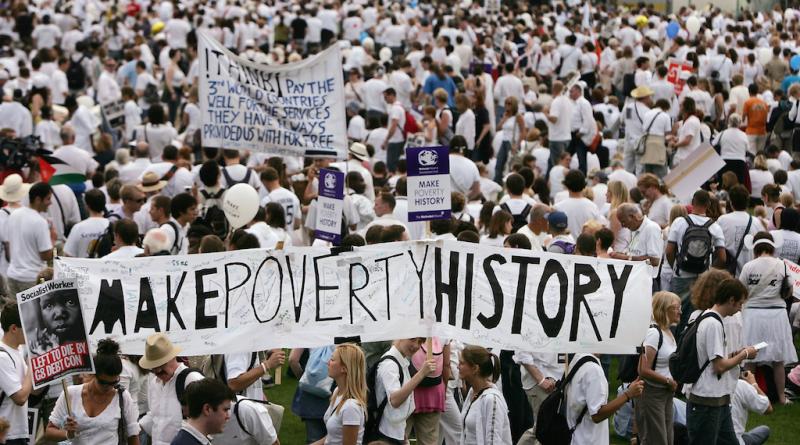
看见挨饿儿童的照片,总令我们心感不安。大约十五年前,我们对贫穷的理解大概只有这些从非洲来的照片、故事和数据。今天贫穷的情况已经大相径庭。第三世界中的赤贫情况在过去二十年已急剧减少,因为有大型的国际慈善组织推行了大规模的粮食和健康计划。「让贫穷成为历史」(Make Poverty History)运动预计,到了二○三○年,赤贫将不再存在。今天仍然有很多讨论探究这种由海外提供大量援助的方法是否能长久地有效舒缓贫穷,因为这样会造成受助者的倚赖。然而,相对于赤贫所带来的潜在灾难,这种做法确实能舒解某些困难;若然往后能推动有效配合当地发展的计划,则可以帮助这些贫穷国家慢慢走上自给自足之路。
今天我们大部份人都受过教育、过着中产生活,确实没有多少机会接触赤贫。我们会倾向跟与自己有相同兴趣和背景的人建立一些相对舒适的社交关系。贫穷似乎跟我们的日常生活没有多大关系。因此,要为贫穷下个定义,或用一幅图画去表达贫穷的概念也许不容易。当我们更仔细、更有目标地去看见社会里的贫穷情况,我们就会明白到「贫穷」的定义并不是那么「一刀切」地划分的。然后,我们会意识到社会中贫富悬殊的严重性,原来有五份一的香港人活在贫穷线下。我们会开始留意到「贫穷人」很可能就是一些在街上看见、在地铁车厢里坐在你旁边的人。我们需要找一种新的方法回应这些每天跟我们擦身而过的人。
在圣经的时代也如此。耶稣说「常有穷人与你们同在」(可十四7),并不是说这是个不能解决的问题、所以不用处理,而是说这是个重要的、持续的问题,需要得到我们的正视和回应。当时用以应对社会穷人问题的社会保障之法就是多行施舍,然而上帝的律法和耶稣的教导不止于此,他们所强调的是对待穷人的态度以及个人的责任。我们已明白到公义就是要发现真理,并且实践出来。这里我们要明白的真理就是:上帝爱贫穷人。这种爱不只是「神爱世人」的爱,而是上帝特别注视穷人的需要,因为贫穷人正处于社会的边绿、被鄙视、被忽略,他们也最容易因此而受到不公义的对待。
圣经也告诉我们贫穷人得到上帝特别的注意!「耶和华啊,困苦人的心愿你早已听见;你必坚固他们的心,也必侧耳听他们的祈求,为要给孤儿和受欺压的人伸冤。」(诗十17-18,《和合本修订版》,下同)而更重要的是,上帝要求我们、需要我们去执行他的公义。「我所要的禁食,岂不是要你松开凶恶的绳(to loose the chains of injustice)……把食物分给饥饿的人,将流浪的穷人接到家中,见赤身的给他衣服遮体。」(赛五十八6-7)有时我们会觉得提供社会福利和关心贫穷人是政府的责任,但圣经清楚说明了我们的态度和行动都很重要。在神眼中,他正正就是要透过富人来让穷人能活得有尊严;他没有将这视为与基督徒生活分割的部份,而是将这看为我们灵性敬拜的一部份;缺乏这种心肠的话,我们对神的忠诚都有点站不住脚。
旧约里有一个关于个人责任的好例子。除了要施舍穷人,神也吩咐以色列人收割庄稼的时候,不可割尽田角,而要留给穷人,让他们拾取所遗落的庄稼。除了直接供应给穷人,这种做法同时鼓励他们运用自己的劳力自给自足。比起施舍捐赠,这样更能保全穷人的尊严。然而,这也要求地主有一份责任心,愿意关注并供应给那些没他那么幸运的人。这正是我们追求上帝公义的方式——为那些被忽略和边缘的人,给予一点个人的关注、负起责任。
当郑家辉牧师开始在新界建立教会时,他发现年轻的会众很难单凭他在讲道里谈及公义,就愿意向老人家伸出援手。然而,上帝透过一个关于教会事工有效性的问题向他说话:「如果你的教会结束了,社区里会有人发现吗?」于是,他首先由自己所开植的基督教迦南堂所位于的粉岭屋邨开始,做了一点调查研究。他发现没有人关心邨内的长者,因此便开始在星期日提供免费早餐和午餐,又游说了几位姊妹帮忙在教会内提供免费的剪发服侍。渐渐地,教会有几位弟兄姊妹都愿意帮忙,而其他教友亦开始适应常有老人家一同在教会里。教会关怀贫穷网络帮忙为教会提供培训,又连系上一些能提供资源和援助的非牟利机构。
然后,郑牧师带着一群年轻人探访附近劏房和板间房的居民。当年轻人看见这些恶劣的居住环境,又看见街坊多么喜欢他们的到访,便渐渐建立出一颗怜悯的心,也开始想出一些有创意的外展方法。两年前郑牧师开展事工时,只有十五位委身的探访队员;如今探访队已经超过一百人了,而且他的教会也增长得很快。现时他们会恒常地以小组形式教导学生有关贫穷、尊重长者、如何服侍社区,以及为社区举办不同特别活动的事情。郑牧师再植了三间堂会,每一间堂会都同样地委身服侍身边的人。这正正活出了他教会的使命宣言:「非以役人,乃役于人」。
教会可以透过各样不同的方法服侍社区,向被社会忽略的群众伸出援手,不论是长者、穷人、寻求政治庇护的难民、露宿者、瘾君子、弱势社群、残疾人士、慢性病患者,还是囚友等。郑牧师发现,比起只被动地聆听圣经教导而未有实践,当教会的弟兄姊妹愿意一同服侍社区,他们的生命都变得更为成熟。
(聂东尼牧师负责在湾仔葡萄藤教会促进公义事工,也是今年十月二十至廿一日亚洲公义特会的主席。大会诚邀读者参与特会,详情请览www.thejusticeconferenceasia.com。本文资料和意念搜集自以下文章,谨此致谢:Good news about injustice(Gary Haugen),The Justice Church(Jim Martin),以及跟郑家辉牧师的个人访谈。英文原文请见下文。)
Poverty and Justice
By Tony Read
Pictures of starving children are never easy to ignore. About 15 years ago our understanding of poverty was probably defined by such pictures, stories and statistics coming from Africa. The picture today is very different. Abject poverty in the third world has fallen dramatically over the last twenty years due to large scale feeding and health programmes initiated by large international charity organisations. The ‘Make Poverty History’ campaign predicts that by 2030 abject poverty of this sort will have been virtually eliminated. Today there is much discussion calling in to question the long term effectiveness of bringing in large scale aid from overseas because of the dependency which this produces. However as an intervention in response to a potential disaster there is no doubt that this approach can turn around desperate situations and if followed by a well-executed programme of appropriate local development can lead countries out of a debilitating poverty mindset into self-sufficiency.
For most of us today living in fairly middle-class educated situations our day-to-day circumstances are not likely to come into contact with abject poverty. We are likely to develop fairly comfortable social relationships with people of similar interests and backgrounds. Poverty may seem rather more remote from our daily experience. In this situation it is a little harder to define poverty and to capture it with a single picture. We will have to look harder and be more purposeful in seeing situations of poverty in our own society and the boundaries of what might be considered poverty will be more blurred. We will then become aware of the large rich-poor gap in our society and of the nearly one fifth of the population in Hong Kong who live beneath the poverty line. In doing so we will begin to see that ‘the poor’ are many of the people we pass on the streets and sit by on the MTR. We need a new way of responding to the people we rub shoulders with everyday.
In biblical times it was very much the same situation. As Jesus said “the poor you will always have among you” (Mark 14:7) not to suggest that it was an insoluble problem so why bother, but to underscore that it was an important ongoing situation requiring a constant response. The official social security system of the day was almsgiving but God’s law and Jesus’ teaching looked far beyond that to an attitude of the heart and a personal responsibility. As we have seen justice is about recognising a truth and then doing it. The truth that we need to understand here is that God loves the poor. Not in the sense that God loves everybody but in the sense that his eyes are on the poor and needy because they are the outcasts of society, looked down on, not worthy of attention and because they are the ones most likely to suffer injustice by being overlooked.
However the bible shows us that it is the poor who have God’s special attention! “You hear O Lord the desire of the afflicted, you encourage them and you listen to their cry, defending the fatherless and the oppressed” (Psalm 1017-18). And more than this it shows us that God requires us, needs us, to execute his justice. “Is this not the kind of fasting I have chosen: to loose the chains of injustice…to share your food with the hungry, and provide the poor wanderer with shelter – when you see the naked to clothe him..” (Isaiah 58:8-7). We can sometimes think that it is government’s responsibility to set up systems of provision and care for the poor. But scripture shows us clearly that our own attitude and action is important. In God’s eyes it is the rich who are his means of enabling the poor to live with dignity, He doesn’t see this as a separate part of our Christian lives but as part of our spiritual worship without which the value of our devotion becomes questionable.
There is a very good example of personal responsibility provided in the Old Testament. Despite the official provision of alms for the poor, the Israelites were told not to harvest all the grain right up to the edges of their field but to leave the edges so that the poor could come along and glean what was left. This was both a provision and an encouragement for the poor to be able to exercise their own labour to help provide for themselves . It provided a sense of dignity which the handout denied. But it required the land owner to have a sense of responsibility, concern and desire to provide for those who were less fortunate than themself. This was how God’s justice is meant to be pursued - with a sense of personal concern and responsibility for those who are overlooked and marginalized
When Pastor Cheng started to plant small independent churches in the New Territories he found that it was difficult to get his young people interested in reaching out to the elderly just by listening to his sermons on justice. But God had impressed on his heart a statement questioning the effectiveness of church ministry ‘Would anybody in your neighbourhood notice if your church ceased to exist’. So he started by researching the public housing estate in Fan Ling where his Christian Canaan Church was planted and began to visit people personally. He discovered that no one was caring for the elderly in the estate, and began by first providing breakfast and lunch on Sundays and then persuading a few ladies to offer free haircuts in the church. Gradually a few people in his congregation started to help him and more people became comfortable with having the elderly around at church. The Hong Kong Church Network for the Poor (HKCNP) helped him with training and in connecting with ngo’s who could provide resources and assistance. Then he took a group of young people to call on people in surrounding areas living in small crowded sub-divided flats. When the young people saw the difficult living conditions and how happy people were to see them they began to develop compassion in their hearts and think creatively of ways they could reach out. Two years ago when he started he had only 15 committed to help now he has more than 100 and his church has grown very fast. Now they are regularly teaching groups of school children about poverty, how to respect the elderly, and how to serve, and holding many special events for the community. Pastor Cheng has planted three more churches and each one of them is committed to serve those around them. Not surprisingly his church vision statement is ‘To serve and not to be served'
There are many different ways in which churches can serve their communities and reach out to the those who are overlooked in society whether it’s the elderly poor, asylum seekers, street sleepers, drug addicts, the underprivileged, the disabled, the chronically sick, those in prison, and many others. Pastor Cheng observed that by reaching out together his congregation began to mature as christians far more effectively than by just listening to his bible teaching alone.
Tony Read is the Justice Advocate for The Vine Church in Wanchai, the host of The Justice Conference Asia on October 20-21 this year. We sincerely hope that you will join us in the conference this year. For more, please visit www.thejusticeconferenceasia.com. This article was written based on information and ideas grateful gleaned from ‘Good news about injustice’ by Gary Haugen, ‘The Justice Church’ by Jim Martin, and a personal interview with Rev Cheng Ka Fai.