最近,我的一位好朋友告別了香港。在過去幾年裡,相信很多人都有過這樣的體會,可以分享許多類似的故事;但我這個故事有一個根本的區別:我沒有為這而失落和哽咽,而是幾乎欣喜若狂。當然,我會非常想念這位朋友,但對於跟他一樣背景的人來說,離開是個重大的里程碑。香港曾經拒絕給他們一個未來,現在終於可以向未來啟航。
未來不明的考驗
早前,我的朋友還是香港難民和尋求庇護者(RAS)社群的成員。香港約有一萬五千名RAS,他們都在香港尋求保護,並為此進行了漫長的法律訴訟。不幸的是,只有不到1%的申請者最終成功並獲承認為難民;即便如此,他們也不被允許留在香港。處理這些訴訟需要多年甚至數十年,之後大多數RAS社群成員還是被遣返原籍國。他們在那裡要面對不確定的未來,甚至可能要面對起初來港逃避的那些困難和危險。
我的朋友非常幸運地成為那1%,並且正在北美開始新生活。我說,香港曾經拒絕給他一個未來,現在他終於可以向未來啟航,不僅僅是因為無論如何他永遠不會被允許留下來──RAS根本不可能取得永久居留權,甚至連香港簽證也不能。我這樣說,也是因為RAS的經濟和財政權利被有系統地剝奪,他們的生活極其艱難,大多數人被禁止工作謀生。
但我不想詳述這些令人沮喪的事實和統計數據。相反,我想讚揚RAS社群的韌力,從我最近告別香港的朋友身上,就體現了這一點。他們在香港生活了近十五年,但從未讓處境的不確定性成為他們精神上的陰霾。在這種困難的情況下,他們盡其所能地幫助自己,在所到之處都結交朋友,甚至盡其所能幫助當地社區。例如,在新冠疫情期間,他們為年長的鄰居購物,有時甚至替他們做飯。由於他們無法工作,故透過以物易物換取所需,並且總是小心翼翼地不觸犯法律。儘管他們在原籍國擁有專業學位,但當他們被確認為難民並獲允許工作時,還是要從餐飲業的最底層做起。明白到朋友天天面臨的處境,再想想自己為生活中的一些輕微不便而陷入困擾,實在感到羞愧。我在禱告裡祈求,在那光明的未來裡,我的朋友會選擇成為專業生活教練,我們可以從他們身上學到的實在很多。
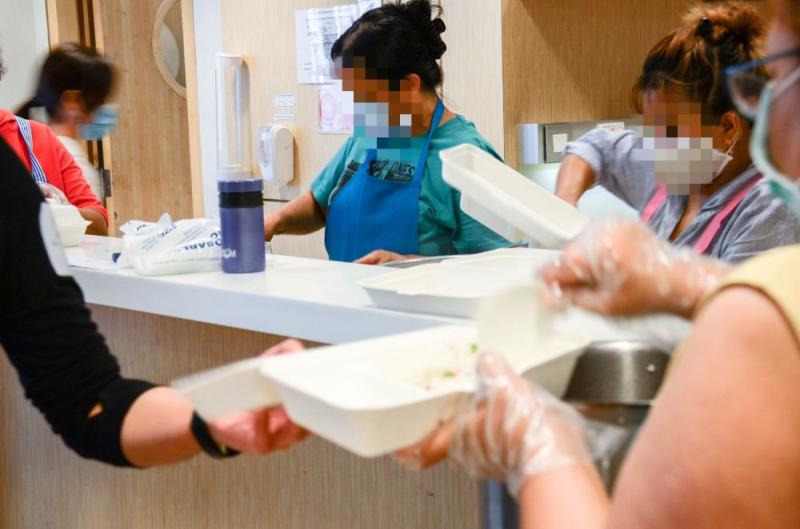
難民及尋庇者為社區做飯(圖片由作者提供)
生命韌力的功課
的確,這些朋友在香港的經歷,都有很多功課值得我們學習。最明顯的是,我們身為基督徒和一個正直的人,被呼召要彼此同行。我的朋友能夠充份利用他們在香港的處境,是因為他們四處建立社區和人脈。人類生命韌力的基本組成部份,就是關係。當我們在一起,不僅力量變得強大,在精神、情感和靈性上也變得強大。一個人可能很難找到道路前行,但眾志成城就有可能辨別出一條筆直而光明的道路。因此,讓我們在教會與RAS社群成員一起同行。不要害怕成為他們的朋友,透過這份友誼分擔他們的重擔,與他們一起懇切祈求。
第二,不要依靠我們自己,來滿足我們所有的需求,或滿足我們希望支持的人。我們經常看到個別基督徒和整個教會,因為特定社群的艱巨任務或需求而不知所措。神並沒有要求我們自己解決所有的問題;相反,我們被呼召到祂那裡,也被呼召到彼此面前。我挑戰在基督裡的弟兄姊妹超越眼前視野,認識現已為香港RAS社群服務的組織和機構網絡,並分配時間、資源和資金給他們,而不是試圖單靠自己逆流而上。畢竟,追求效率和影響力不正是香港這個城市的精神嗎?
同樣的功課也適用於我們這些在這類組織工作的人,包括我自己。專業自豪感誘使我們過度分薄自己。當請求超出能力或授權範圍時,我們需要謙卑和自信來承認不足,並將請求轉交給另一個更適合的機構來處理。如果我們不這樣做,只會讓我們想服務的對象感到失望和沮喪──當我想起我的朋友時,他們在香港面臨的最大壓力,不是聽到有人回答說「不」,而是收到空洞的承諾。
我們不要粉飾香港難民和尋求庇護者的實況。生活是艱難的、受限的、不確定的。它移動得非常緩慢,有時甚至看起來靜止不動。但我的朋友教曉我,這並不意味著人類精神必須屈服,儘管它可能會受到這樣的誘惑。相反,當大家齊心協力時,即使是最困難的情況也有可能克服。
(標題及分題為編者所加,下見英文原文。)
作者為希望枝子 (Branches of Hope) 執行董事,本文屬「與難民同行.難民不爛」系列,原文及譯文由難民事工小組提供。
小組由香港的基督教教會和機構組成,一直以來支援在港難民和免遣返聲請者在房屋、教育、心理、生活上的需要,幫助他們融入社會。
英文原文:
Recently, a good friend of mine left Hong Kong for good. Over the past few years, I’m sure many of us can relate to this, and no doubt have many similar stories to share. But there is one fundamental difference to this particular story: instead of feeling a sense of loss and a lump in my throat, I felt immense joy, almost exuberance. Of course, I will miss my friend dearly; but their departure marks a tremendous milestone for them and heralds the beginning of a future they were denied in Hong Kong.
That is because my friend was, until recently, a member of the refugee and asylum seeker (RAS) community in Hong Kong. There are around 15,000 RAS in Hong Kong, all of them seeking protection in our city and engaged in lengthy legal proceedings in pursuit of this. Unfortunately, less than 1% of applicants are ultimately successful and recognized as a refugee; but even then, they are not allowed to remain in Hong Kong. Processing the claims takes many years, even decades, after which the majority of RAS community members are removed from Hong Kong and sent to their country of origin. There they face an uncertain future, along with potentially the same hardships and dangers that they sought to escape by travelling to Hong Kong in the first place.
My friend is extraordinarily fortunate to be part of the 1%, and is starting a new life in North America. I say that their departure heralds the beginning of a future they were denied in Hong Kong not just because, no matter what, they would never have been allowed to stay – PR or even just a HK visa is not on the cards for the RAS in our midst. I say it also because of the exceedingly difficult existence RAS have to lead while they are here due to systemic economic and financial disenfranchisement, punctuated for the majority by a prohibition from earning an honest living through working.
But I do not wish to dwell on these depressing facts and statistics. Rather, I want to celebrate the resilience of the RAS community, embodied by my friend who recently left Hong Kong. They were in Hong Kong close to 15 years when they finally left, but at no point did they let the uncertainty of their situation cloud their spirit. They did whatever they could to help themselves in this difficult situation, making friends wherever they went, and even helping the local community any way they could. For example, during COVID they went shopping for elderly neighbors and cooked meals for some of them. Since they could not work in the beginning, they bartered for what they needed, always careful not to cross the line of the law. And when they were recognized as a refugee and allowed to work, they started at the very bottom of the restaurant industry, despite having a professional degree in their country of origin. It shames me to think what minor inconveniences in my life will already send me spiraling, knowing what my friend faced every single day. I pray in the bright future that lays ahead, my friend might choose to become a professional life coach, for there is so much we can learn from them.
Indeed, there are many lessons to be learned from my friend’s experience in Hong Kong. First and most tangibly, we are called as Christians and decent human beings to walk with one-another. My friend was able to make the best of their situation in Hong Kong because of the community and network they built up around them. Our relationships are a fundamental building block in human resilience. Together we are not just strong in the physical sense, but in the mental, emotional, and spiritual sense as well. One mind may struggle to see a way forward, but several may discern a straight and brightly lit path. So let us walk with the RAS community members among us, in our churches. Don’t be afraid to be their friend and to share their burden through that friendship; pray with them and for them earnestly.
The second lesson is not to rely on ourselves to provide for all our needs or the needs of those whom we wish to support. So often we see individual Christians and whole churches overwhelmed by the enormity of a task or a need in a particular community. God does not call on us to solve all our problems ourselves, on the contrary; we are called to Him and to each other. I challenge my brothers and sisters in Christ to look beyond their immediate horizon to recognize the network of organizations and agencies already serving the RAS community in Hong Kong, and to allocate their time, resources and finances to them instead of attempting to stem the tide yourselves. Afterall, is it not in the spirit of this City of Hong Kong to strive for efficiency and impact?
The same lesson applies to those of us, like myself, who work in such an organization. Professional pride tempts us to spread ourselves too thin. It takes humility and confidence to acknowledge when a request lies beyond our means or mandate, and to refer the request to another entity better suited to handle it. If we do not, we only manage to disappoint and frustrate the very people we seek to serve – when I think of my friend, the greatest stress to their resilience in Hong Kong was not hearing “no” as an answer, but receiving empty promises.
Let’s not sugarcoat the reality of the refugees and asylum seekers in Hong Kong. Life is tough, constrained, and uncertain. It moves at a glacial pace, sometimes it even seems to be standing still. But my friend has taught me that this doesn’t mean the human spirit must capitulate, though it may be tempted to. On the contrary – when we all stand together, even the toughest circumstances may be overcome.